




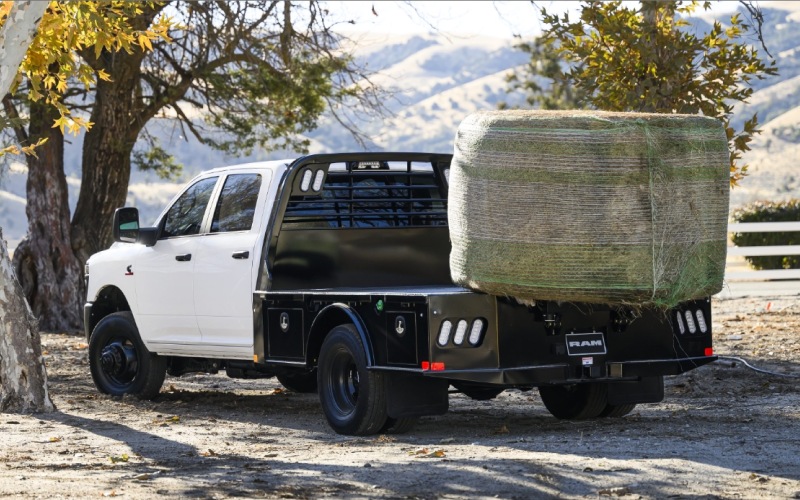
David Taylor CDJR of Benton - Building the Right 2026 Ram 5500 Chassis Cab for Jobs around Eddyville, KY
The 2026 Ram 5500 Chassis Cab is a professional tool, and like any tool, it does its best work when it’s set up correctly. Around Eddyville, KY — where a week can include job sites along US-62, deliveries into industrial yards, and runs toward I-24 — getting the right engine, wheelbase, and body configuration matters. This blog walks through the choices that have the biggest impact on daily productivity so you can build a Ram 5500 that fits your operation, not the other way around.
Let’s start where most buyers do: powertrain. The 5500 gives you a clear choice between the available 6.7L Cummins® Turbo Diesel I6 and the available 6.4L HEMI® V8. Both are proven performers. The diesel tilts toward maximum torque and sustained pulling power. The gas V8 emphasizes horsepower, quick throttle response, and a straightforward ownership profile. Think about your work pattern — heavy, frequent towing or mixed-duty driving — and you’ll be most of the way to a smart decision.
Diesel vs. Gas: Matching Power to the Job
If you’re routinely moving equipment, materials, or trailers that push into the upper ranges of a Class 5 chassis cab, the available Cummins® Turbo Diesel is a compelling pick. Its torque helps get heavy loads rolling smoothly and keeps the rig steady on grades. For fleets and owners who run consistent, moderate loads with lots of stop-and-go or mixed highway routes, the available 6.4L HEMI® V8 shines with quick response and confident horsepower. Both are excellent — it’s about choosing the one tuned for your daily reality.
Here’s a quick snapshot to frame the conversation:
- Torque focus: The available 6.7L Cummins® I6 is tuned for high torque to support heavy towing.
- Horsepower punch: The available 6.4L HEMI® V8 delivers strong hp for mixed-duty use.
- Trailering headroom: Properly equipped, Ram Chassis Cab can reach up to 34,540 pounds of max trailering.
- Uptime mindset: Proven engines supported by a commercial-focused service network.
With power settled, consider how your upfit and wheelbase work together. Service bodies, flatbeds, and stake bodies each carry weight differently. An upfit’s center of gravity, tool layout, and typical cargo can influence where you’ll place heavy items and how often you’ll need auxiliary power or lighting. Sketch your everyday load — compressors, welders, ladders, parts bins — and aim to keep frequently used items accessible from curbside compartments when possible. Fewer steps between the job and the tool saves minutes on every call-out.
In-Cab Tech: Your Mobile Command Center
The cabin is where your team spends the longest stretches, so consider the available 12-inch Uconnect® touchscreen. A larger, high-definition display makes maps, work orders, and Bluetooth calls easier to manage. When days get busy around Eddyville, clear menus and quick access to the apps you use can cut down on distractions and help crews stay productive. Add storage solutions to keep devices, clipboards, and safety gear neatly organized and within reach.
Lighting is another underappreciated upgrade. Available Adaptive Forward Lighting is particularly helpful for pre-dawn starts or late finishes near job sites with limited illumination. It aims light into curves and helps define edges, equipment, and approaches more clearly. Combined with available Forward Collision Warning, these tools add an extra layer of awareness as you navigate yards, side streets, and highway merges.
Practical Upfit Planning Tips
Small decisions made during ordering can pay big dividends for years. Think beyond the first job and account for growth — a slightly different body length, a bit more storage, or wiring provisions for future gear can protect your investment.
- Body selection: Choose a service, flatbed, or stake body that matches your cargo and access needs.
- Weight distribution: Plan heavy items low and near the centerline to support handling and braking.
- Electrical prep: Consider provisions for auxiliary lighting, inverters, and future equipment needs.
- Tool access: Place high-use tools and parts in curbside compartments to save time on-site.
Beyond hardware, set a maintenance rhythm early. Establish intervals that reflect your actual duty cycle rather than waiting for generic reminders. Work trucks live hard lives — early attention to fluids, filters, and inspections keeps you ahead of wear and helps avoid unplanned downtime.
Safety and Crew Confidence
Safety isn’t just compliance; it’s continuity. Available Forward Collision Warning helps drivers stay aware in traffic and around site entrances, while available Adaptive Forward Lighting helps define roads, equipment, and obstacles in low light. Combine these with smart in-cab organization and you set your crew up for smoother, more predictable days — and fewer delays.
For owners and fleet managers who prefer to standardize equipment across multiple trucks, building templates around the 5500’s strengths can streamline training and reduce errors. A consistent layout for storage, lighting switches, and mounts shortens the learning curve for new team members and simplifies inventory for common replacement parts.
Working with a Knowledgeable Partner
Spec’ing a chassis cab should feel like a conversation, not a chore. Bring your load requirements, preferred bodies, and typical routes to a partner that understands how those details translate into the right order sheet. David Taylor CDJR of Benton can help you weigh engine choices, map out cab-to-axle lengths, and plan around lead times so your truck shows up ready to work.
Eddyville’s mix of highway access, local businesses, and nearby recreational corridors means your truck might see everything from tight turns at a job site to steady interstate driving. A properly built 2026 Ram 5500 Chassis Cab absorbs those shifts in pace and task without drama — and that’s the hallmark of a good build.
Frequently Asked Questions:
Which engine is better for frequent heavy towing?
The available 6.7L Cummins® Turbo Diesel I6 is the better match if you regularly pull heavy trailers because it emphasizes high torque for confident starts, climbs, and sustained towing.
When does the 6.4L HEMI® V8 make more sense?
If your work skews toward mixed driving, moderate towing, and quick response in traffic, the available 6.4L HEMI® V8 is a strong, balanced choice.
Is the 12-inch Uconnect® touchscreen worth it for work?
For many crews, yes — the larger, high-definition display makes navigation, calls, and job apps easier to manage, which can reduce distractions and save time.
What safety tech should I prioritize?
Available Forward Collision Warning and Adaptive Forward Lighting are helpful adds for local routes with varied lighting, traffic, and entrance points typical around Eddyville.
Build thoughtfully, and the 2026 Ram 5500 Chassis Cab becomes more than a truck — it’s the backbone of your operation. With the right powertrain, body, and in-cab tools, it will be ready for what tomorrow brings, whether that’s a service call across town or a loaded tow out toward I-24. David Taylor CDJR of Benton is serving Kevil, Eddyville, and Fulton, and we’re ready to help you configure a chassis cab that supports your goals for years to come.
When you’re ready to talk specifics, bring a list of your regular payloads, trailer types, and preferred body builders. A clear picture of your day-to-day helps transform a great truck into your perfect truck.